Introduction
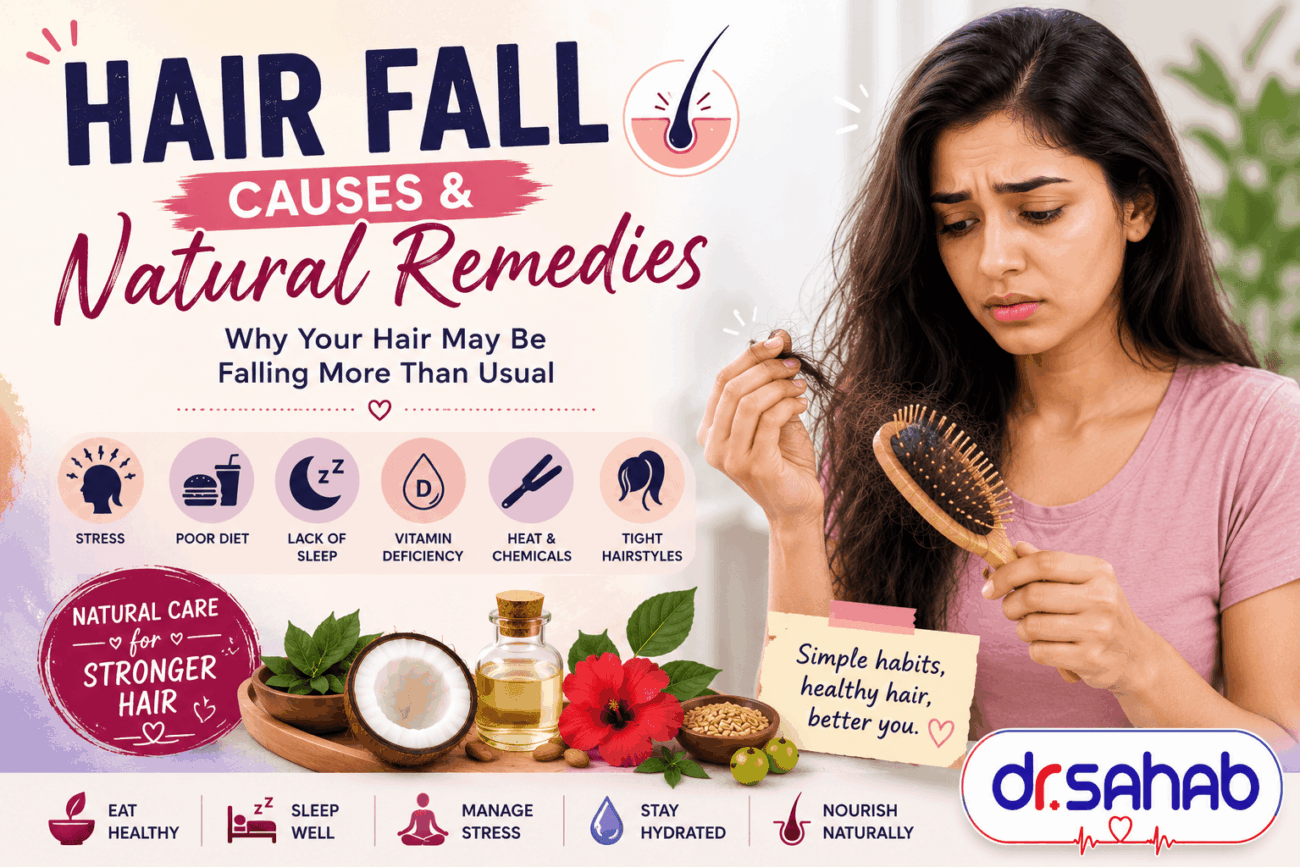
Hair fall is one of the most common health and beauty concerns affecting both men and women today. Finding extra hair on your pillow, comb, or bathroom floor can feel highly stressful and frustrating.
Although losing some hair every day is completely normal, excessive hair fall may indicate that your body or scalp needs proper care. Modern lifestyles, unhealthy eating habits, stress, pollution, poor sleep, and hormonal imbalances are some of the major reasons behind increasing hair problems.
Is Daily Hair Fall Normal?
Yes. Losing around 50 to 100 strands of hair daily is generally considered normal. Hair naturally goes through a continuous cycle of growth, rest, and shedding.
However, you should pay closer attention if you notice:
- Excessive hair loss while combing or washing
- Visible hair thinning or widening of your hair part
- Scalp areas becoming easily visible
- Hair breaking easily from the middle
- A sudden, major increase in daily hair shedding
These signs usually indicate an underlying issue that needs to be addressed.
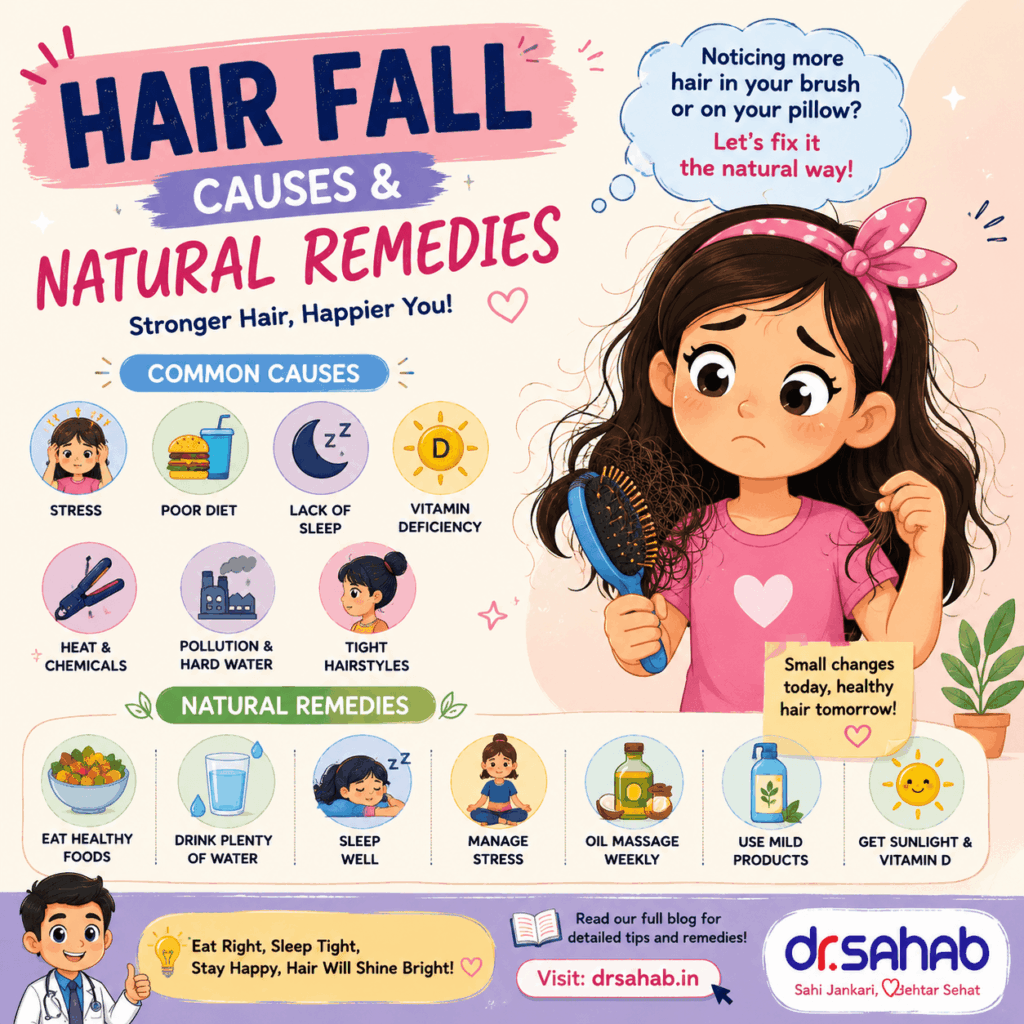
7 Common Causes of Hair Fall
1. Stress and Anxiety Stress is one of the biggest contributors to hair fall today. Severe physical or emotional stress can shock the natural hair growth cycle, pushing more hair strands into the shedding phase all at once. A lack of relaxation and poor sleep can also weaken hair roots over time.
2. Poor Nutrition Healthy hair requires a steady supply of proper nutrition. A deficiency in key vitamins and minerals can directly affect how strong your hair grows. Some important nutrients for healthy hair include:
- Iron and Protein
- Vitamin D and Vitamin B12
- Zinc
Poor eating habits weaken the hair roots from the inside, making them drop out much faster.
3. Hormonal Changes Hormonal imbalances can trigger sudden hair loss in many people. This is most commonly seen in conditions and life stages such as:
- PCOS (Polycystic Ovary Syndrome)
- Thyroid disorders (Hypothyroidism or Hyperthyroidism)
- Pregnancy and postpartum changes
- Menopause
4. Lack of Proper Sleep During deep sleep, your body repairs and restores its tissues. Poor sleep quality or sleeping for fewer hours regularly affects overall cellular recovery, which deprives hair roots of the energy they need to grow.
5. Excessive Heat and Chemical Products Frequent use of hair straighteners, hot dryers, chemical hair colors, and harsh shampoos damages the outer protective layer of the hair. This strips away natural moisture, leaving hair dry, weak, and more likely to break.
6. Pollution and Hard Water Dust, smoke, and washing your hair with hard water (water high in mineral content) can cause a buildup on the scalp. Over time, this blocks hair follicles, reduces the natural shine, and causes dryness that leads to hair fall.
7. Tight Hairstyles Hairstyles that pull the hair tightly—such as high ponytails, tight buns, or heavy braids—put constant physical pressure on the roots. This pressure can cause a type of hair loss known as traction alopecia over time.
Natural Remedies for Hair Fall
1. Improve Your Daily Diet Healthy hair begins with healthy eating habits. To feed your hair follicles from the inside, include these items in your daily meals:
- Green leafy vegetables and fresh fruits
- Nuts and seeds (like almonds, walnuts, and flaxseeds)
- Eggs and other protein-rich foods
- At least 3 to 4 liters of water to keep the scalp hydrated
2. Maintain Healthy Vitamin D Levels Vitamin D receptors are directly involved in creating new hair follicles. You can support stronger hair roots naturally by spending 15 to 30 minutes in morning sunlight, staying physically active, and eating Vitamin D-rich foods.
3. Get Quality Sleep Aim for 7 to 8 hours of uninterrupted sleep every night. Good sleep supports cell tissue repair and overall body recovery, which keeps your hair roots active.
4. Reduce Stress Naturally Managing your stress levels can help stop excessive hair shedding. Helpful daily habits include walking, yoga, meditation, deep breathing exercises, and taking regular breaks from mobile or computer screens.
5. Gentle Oil Massages Massaging the scalp gently with natural oils like coconut oil, almond oil, or rosemary oil helps improve blood circulation and delivers nutrients directly to the roots. Avoid aggressive or rough rubbing while massaging, as this can pull out weak hairs.
6. Use Mild Hair Products Choose gentle, sulfate-free shampoos and avoid harsh chemical treatments. Additionally, avoid washing your hair with extremely hot water, as hot temperatures strip away the natural protective oils from your scalp.
✅ Quick Checklist for Haircare
- Diet: Eat nutrient-dense, protein-rich foods daily.
- Hydration: Drink 3 to 4 liters of water to nourish hair cells.
- Sleep: Aim for 7 to 8 hours of quality rest every night.
- Stress: Practice daily relaxation techniques like meditation or walking.
- Protection: Avoid using excessive heat styling tools and harsh chemicals.
- Care: Use mild shampoos and massage the scalp gently with natural oils.
🙋 Frequently Asked Questions (FAQs)
Q1: Can stress really cause hair fall?
Dr. Sahab: Yes. High stress levels produce hormones that disrupt the normal hair growth cycle, forcing hair follicles to stop growing and enter the shedding phase prematurely.
Q2: Does oiling completely stop hair fall?
Dr. Sahab: Hair oil helps nourish the scalp surface and improves blood texture, but it cannot completely stop hair fall if the root cause is an internal issue, such as a nutritional deficiency or a medical condition.
Q3: Which vitamin deficiency is commonly linked to hair fall?
Dr. Sahab: Low levels of Vitamin D, Vitamin B12, Iron (ferritin), and Zinc are most commonly associated with a sudden increase in hair fall.
Eating nutritious foods, sleeping well, reducing stress, staying hydrated, and caring for your scalp gently will improve your hair health over time. At Dr. Sahab, our mission is to spread simple and practical health awareness that helps people live healthier and happier lives.
Take care of your health, and your hair will thank you.
